Our premium cooling and thermal solutions keep your data infrastructure operating at peak performance.
Extending infrastructure lifespans, improving efficiency and supporting sustainable and resilient operations, scroll down to browse our essential cooling and thermal management products.
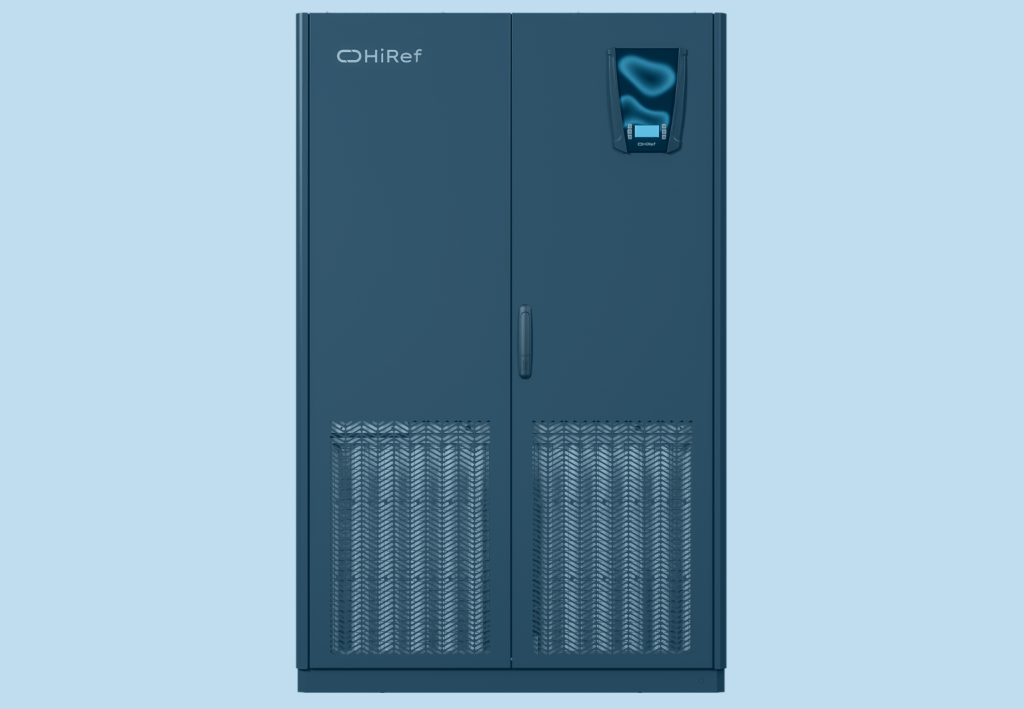
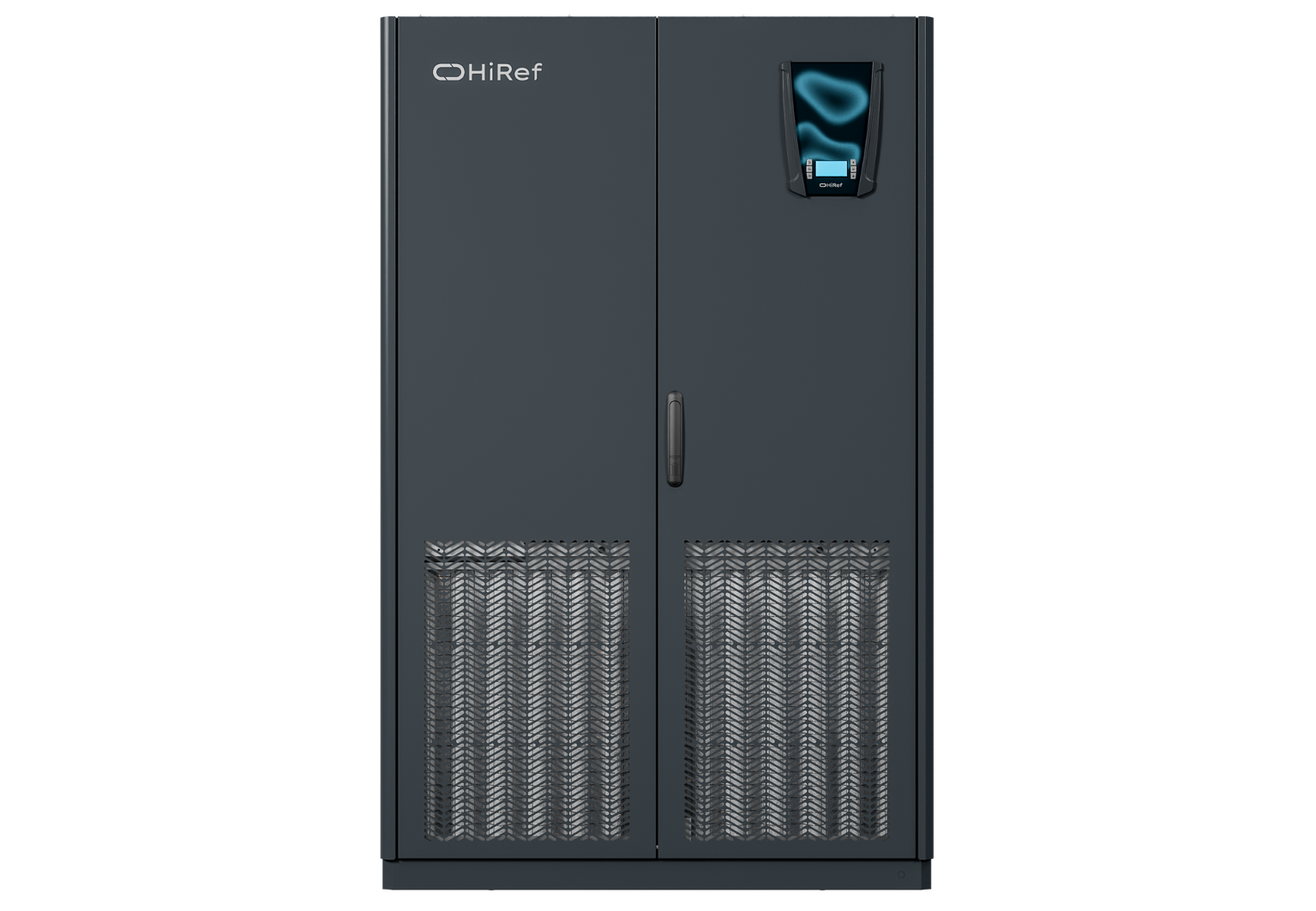
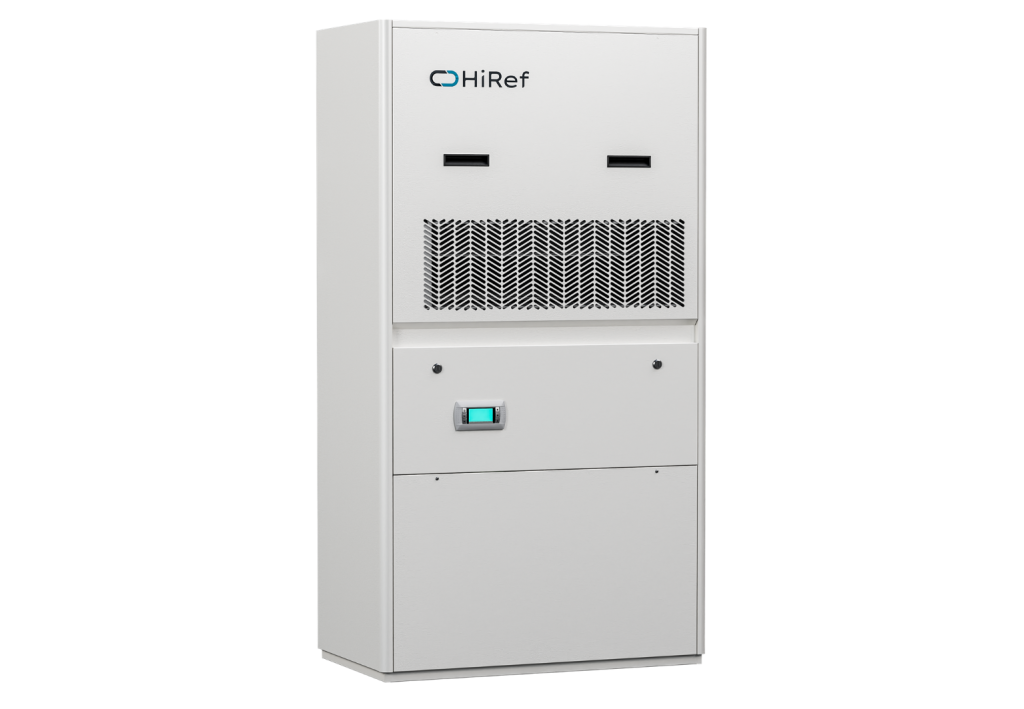
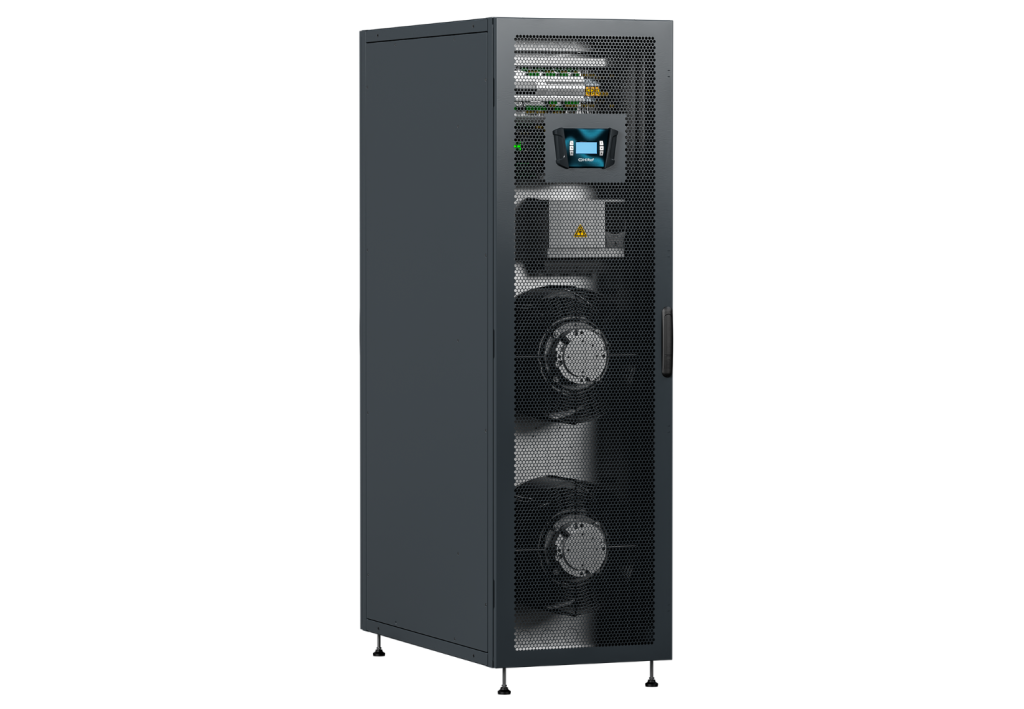
Commonly known as CRAC or CRAH, peripheral cooling units are perfectly suited to large server rooms and data centres, where close control of temperature and humidity is essential.
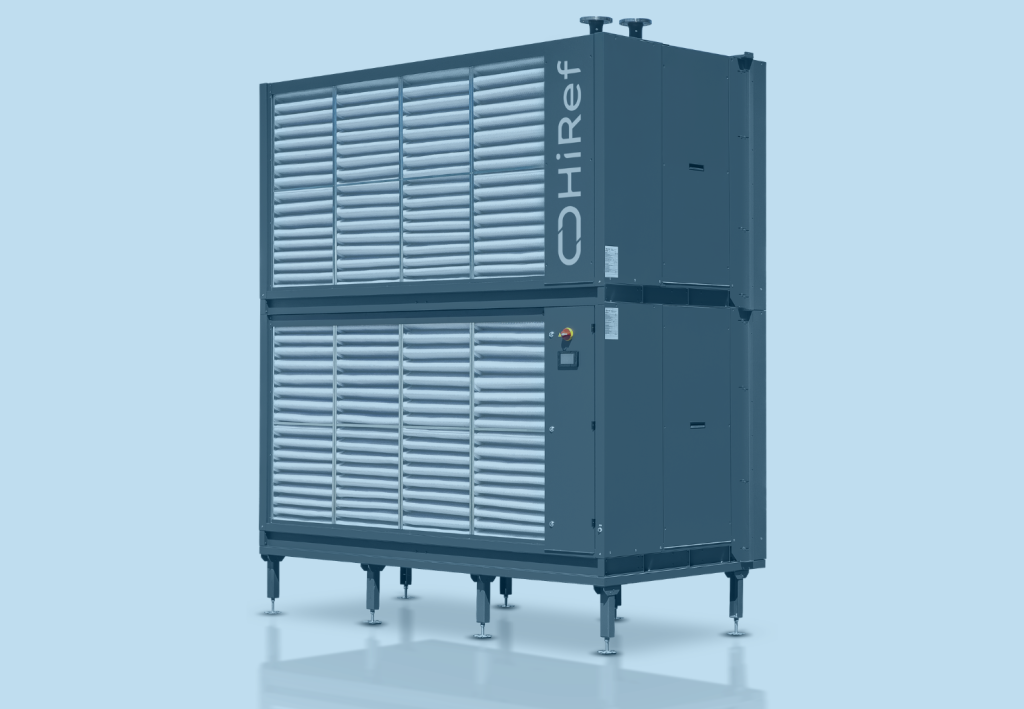
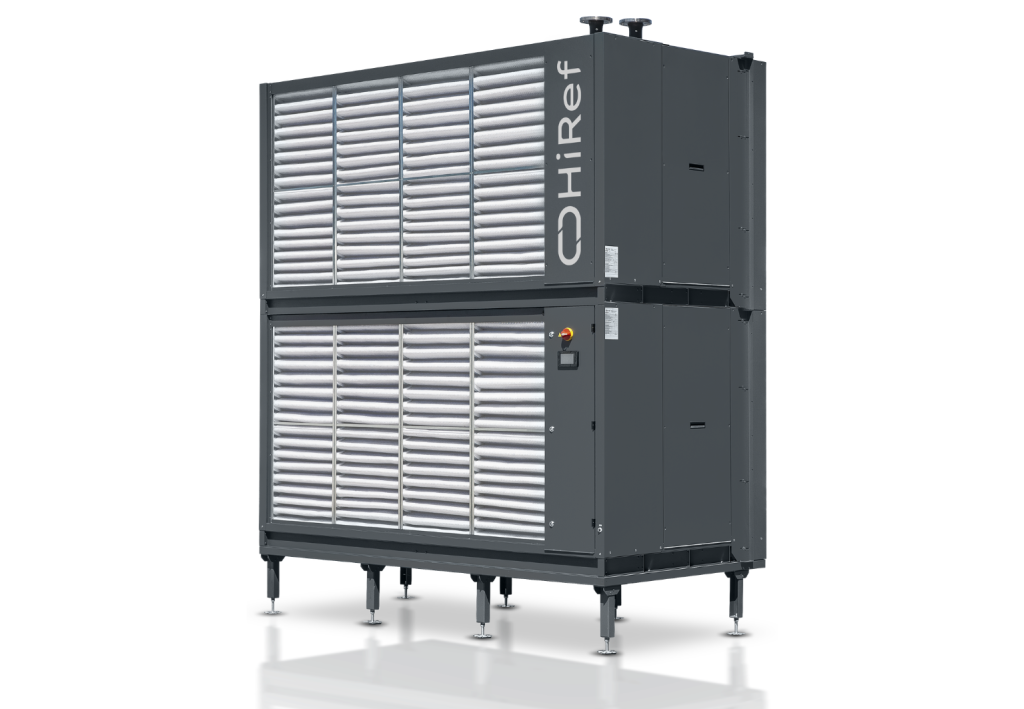
Fan wall technology is a leading solution for large and hyperscale data centres, delivering conditioned air from above the floor to the ceiling plenum to provide uniform airflow and highly efficient cooling.
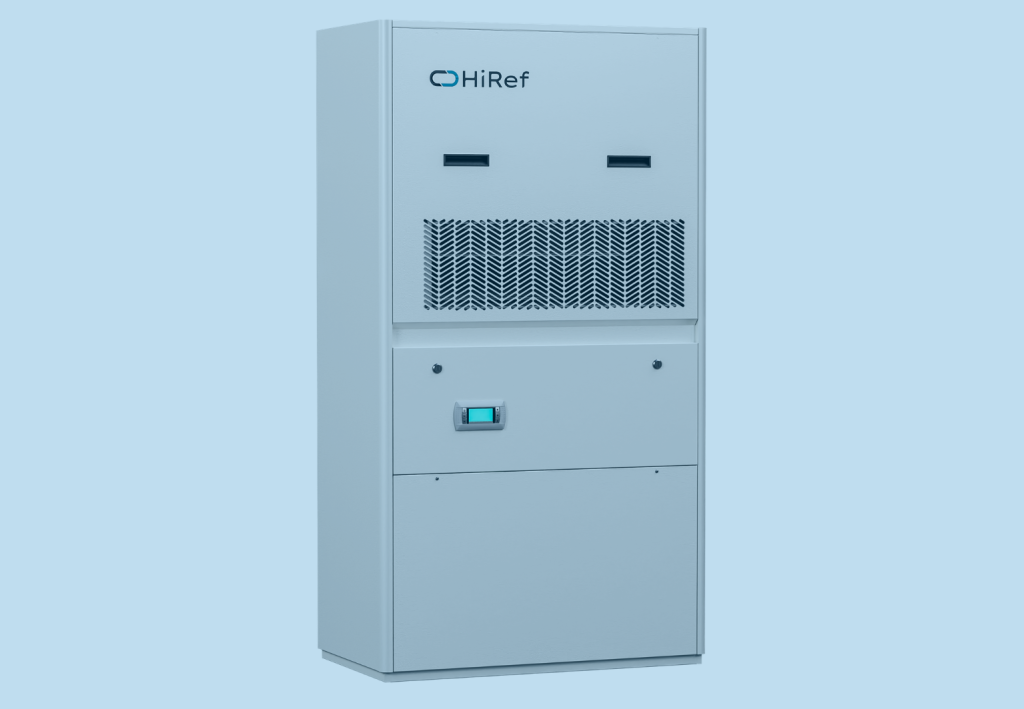
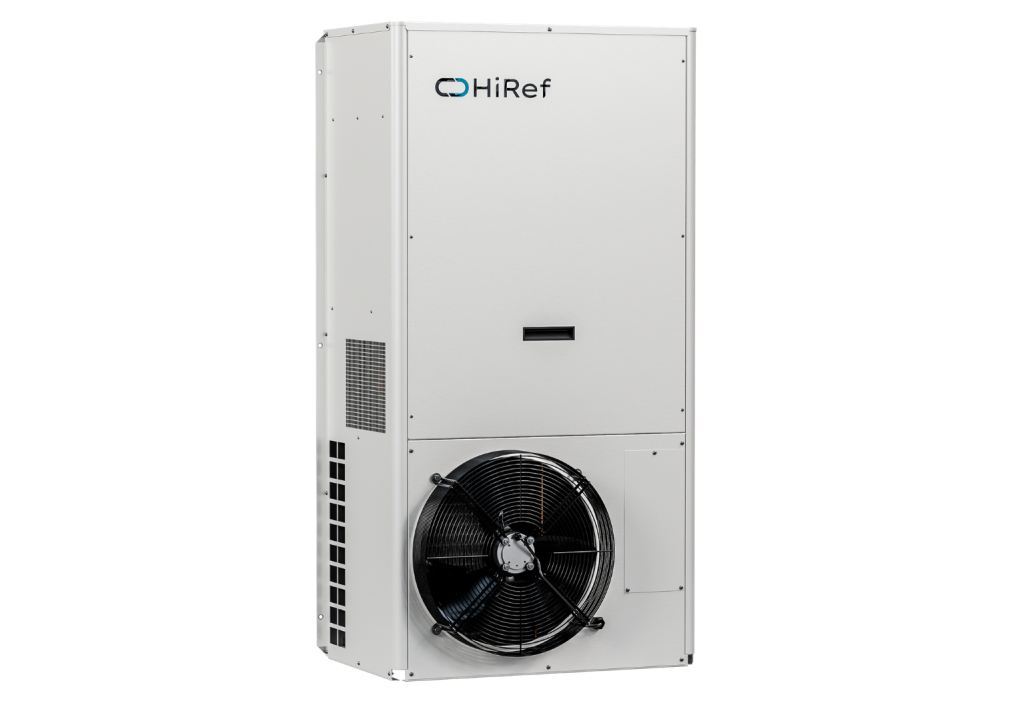
Telco units are purpose‑built for containerised server rooms, delivering precise and reliable cooling to protect critical IT equipment around the clock.
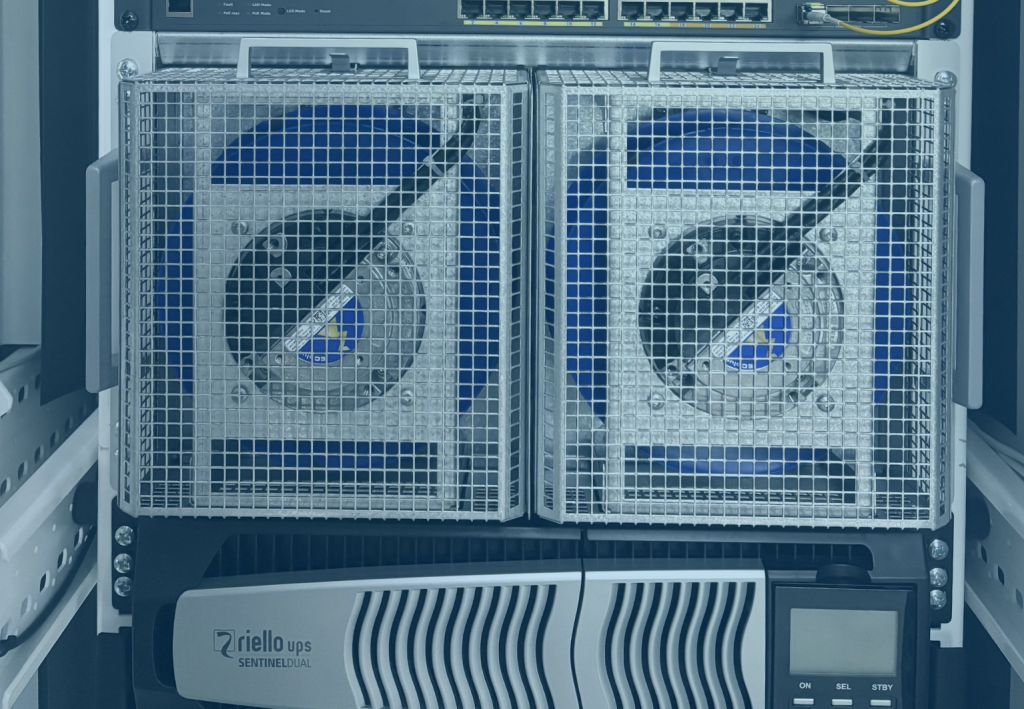
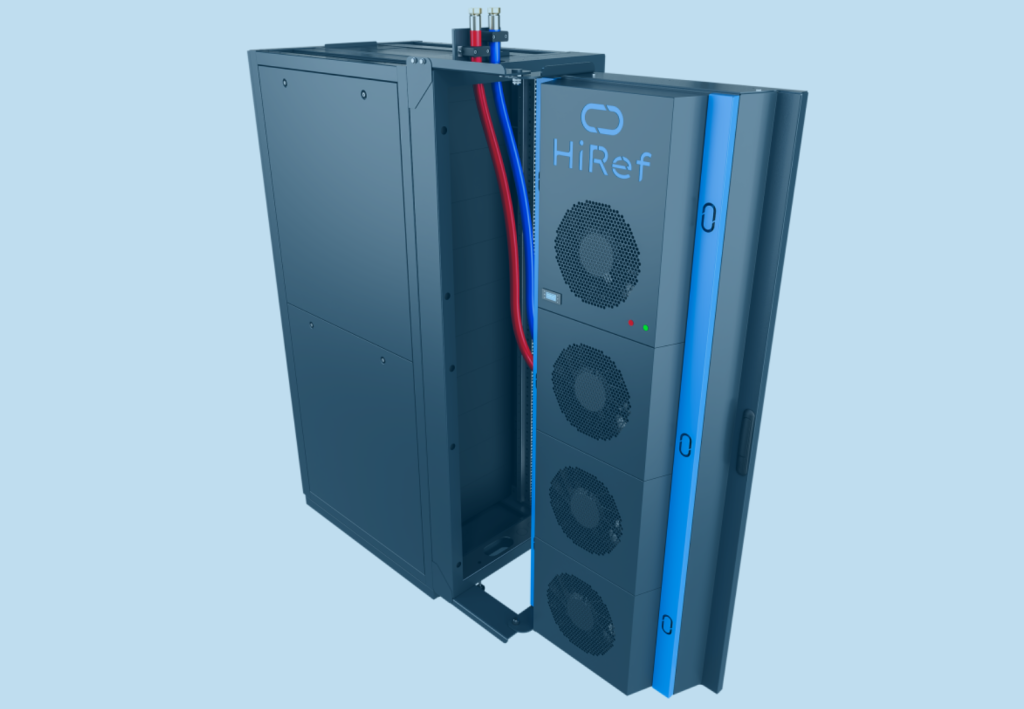
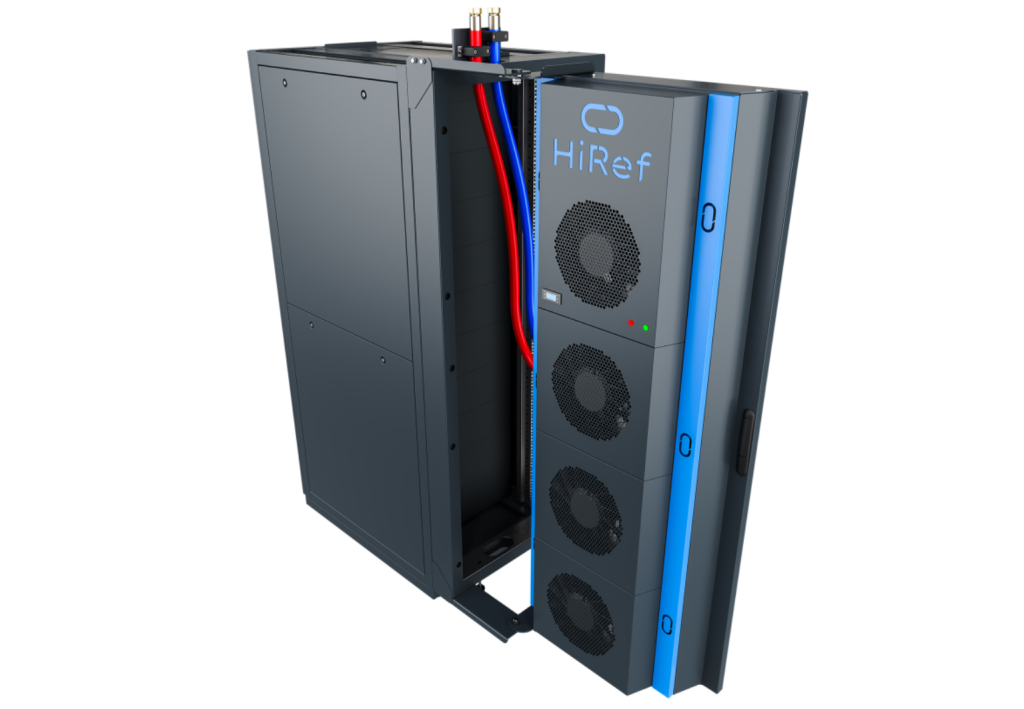
High Density Rear Doors are a space‑saving cooling solution that removes heat directly from the rear of the servers. Hot air is drawn through an integrated coil, and only ambient air is released back into the room.
Commonly known as CRAC or CRAH, peripheral cooling units are best suited to large server rooms and data centres where close control of temperature and humidity is essential.
Systems are available in either water‑cooled or DX (direct expansion) configurations. Depending on the application, they can operate in a downflow arrangement, delivering conditioned air into a raised floor plenum with hot air returned at high level. Alternatively they can operate as displacement systems, supplying air just above floor level with high‑level heat return.
Upflow configurations are also available, delivering conditioned air at high level, with hot air returned at low level.
Fan wallsare the latest technology when it comes to large and hyperscale data centres.
By supplying conditioned air from the floor up to the suspended ceiling, this solution ensures uniform airflow throughout the space. It is highly effective for cooling tall IT racks and supporting high‑density compute loads.
Sizes typically start around 100kW up to 600kW.
Benefits:
Maximum cooling capacity with minimum power consumption
Low PUE values guaranteed
Large air throw throughout the room
Low AER (Airflow Efficiency Ratio) due to minimal pressure drops
Telco units are designed for containerised server rooms and telco rooms where precision air is required 24/7. Similar to peripheral cooling, telco units deliver conditioned air as a downflow unit, displacement unit or as an upflow unit.
Sizes typically start around 6kW up to 40kW.
Why choose our Telco units?
Highly secure - No external condensers or chillers required
Low gas content - Internally contained within the unit with no external pipe work
True plug‑and‑play - Telco units with no site installation required
Low noise output - Suitable for residential areas
Runs in both mixed and free cooling modes
Enabled to operate at -20C/+ 50C standard with big temperature swings
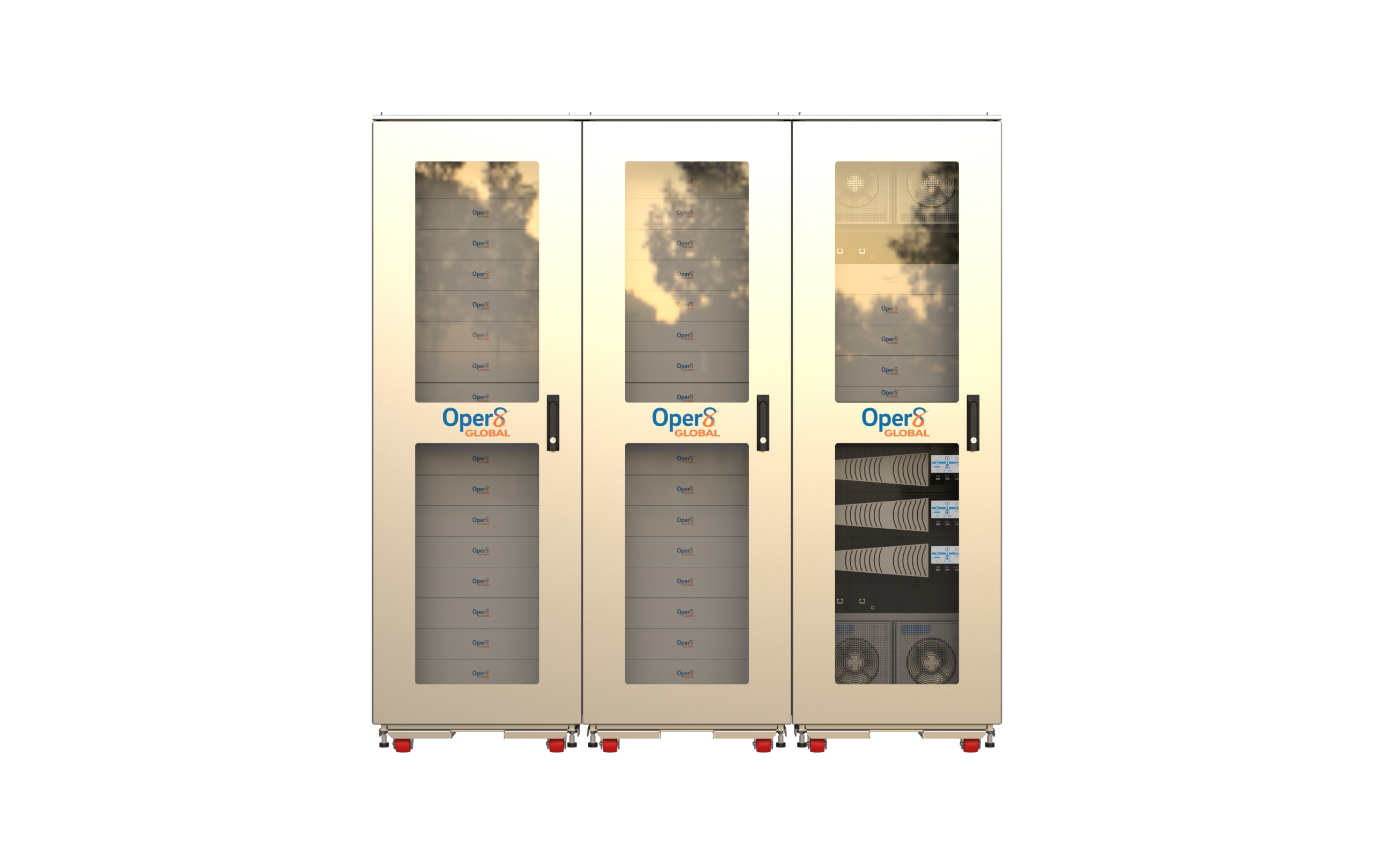
Designed in-house and built for performance, efficiency and future growth, our data centres are engineered to adapt as your business grows.
We have an ethos of excellence in customer support and make it our mission to ensure your needs are met at every stage of the process. From our security-first design with built-in compliance and protection, to the custom integrations and solutions unique to you, Oper8 offers an unparalleled data centre experience.
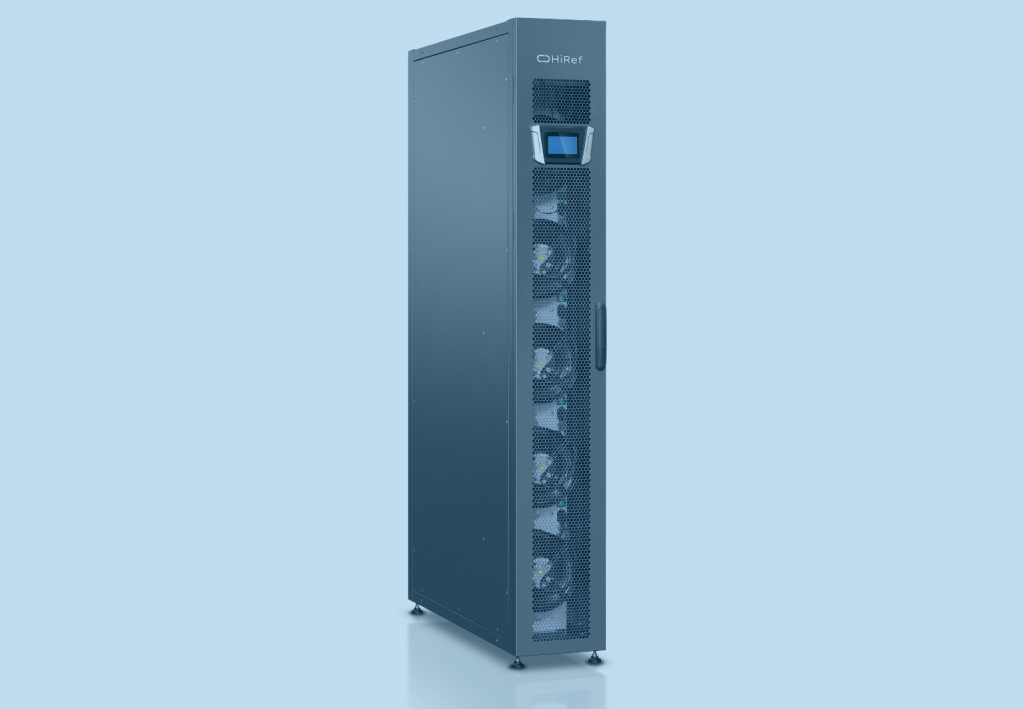
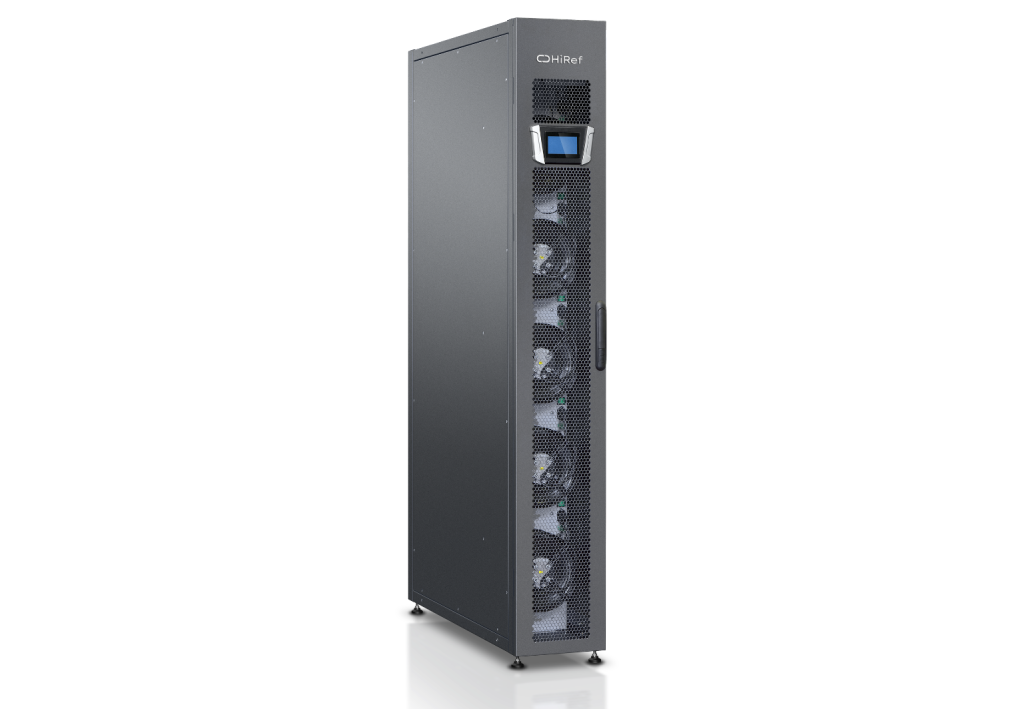
InRow server rack units can be installed between racks, delivering air horizontally across the front of each rack, left to right, or directly out the front of the unit into a cold aisle contained environment.
It is then down to the servers to draw the correct level of CFM (Cubic Feet Per Minute) through the server to cool. Any hot air out of the rear of the server is then drawn back into the unit through filters and cooled. This technology can be either chilled water or DX.
InRack server cooling units are used within our Micro Data Centres, where in combination with hermetically sealed racks, contain the air within the rack, delivering cold air into the front plenum and hot air into the rear.
They sit in their own enclosure, physically connected to the IT rack delivering air horizontally at the front. This technology can be either chilled water or DX.
The real benefit of this solution over cold aisle containment(CAC) is the efficiencies are far greater, as there are no losses or wasted areas to be cooled and conditioned air can only be delivered to the front of the server.
The rear door sits in a mounting collar fixed directly on the rear of the rack, no rear door on the rack is required.
Our space‑saving cooling unit captures heat directly from the rear of the servers, drawing it through an integrated coil and returning only ambient air back into the room.
Consisting of a compact footprint, the unit is ideal for cooling high‑density racks or providing targeted spot cooling, without consuming valuable white space. Designed for efficiency, it incorporates low‑power EC fans to deliver reliable performance with reduced energy consumption.
Room neutral - No additional heat is released into the data centre
Supply and return sensors ensure uniform temperature distribution under differing server loads
Heat Rejection
Air Cooled Condensers
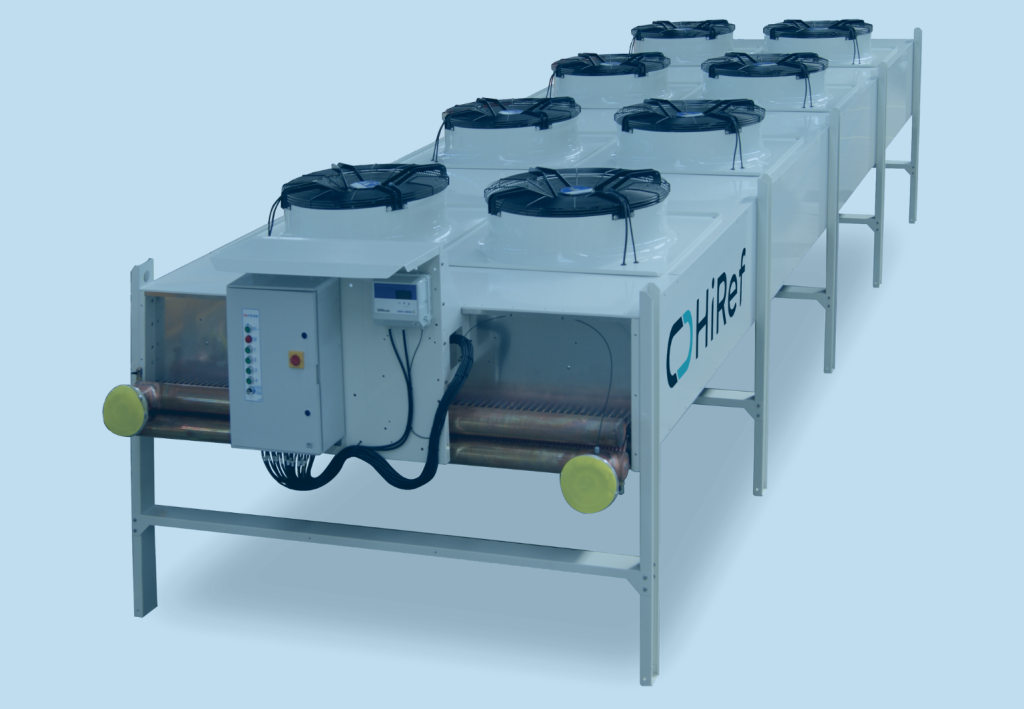
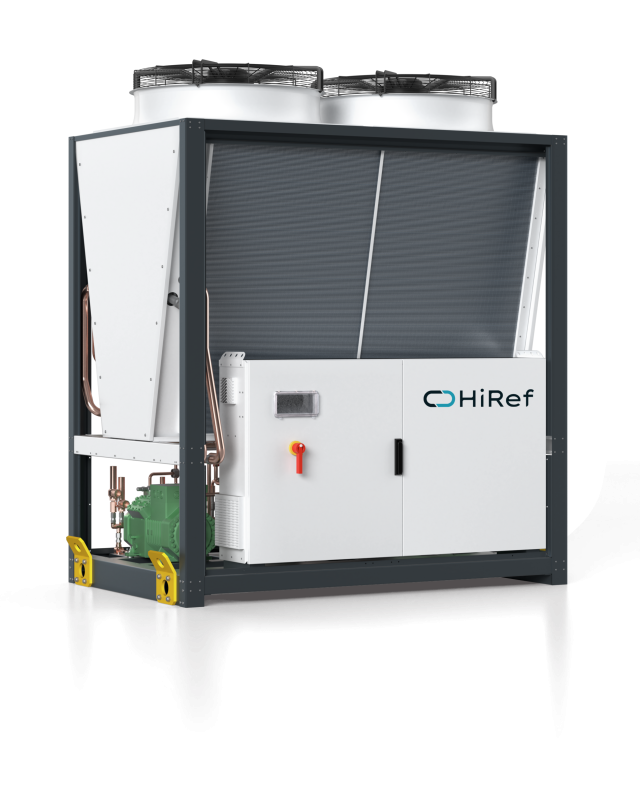
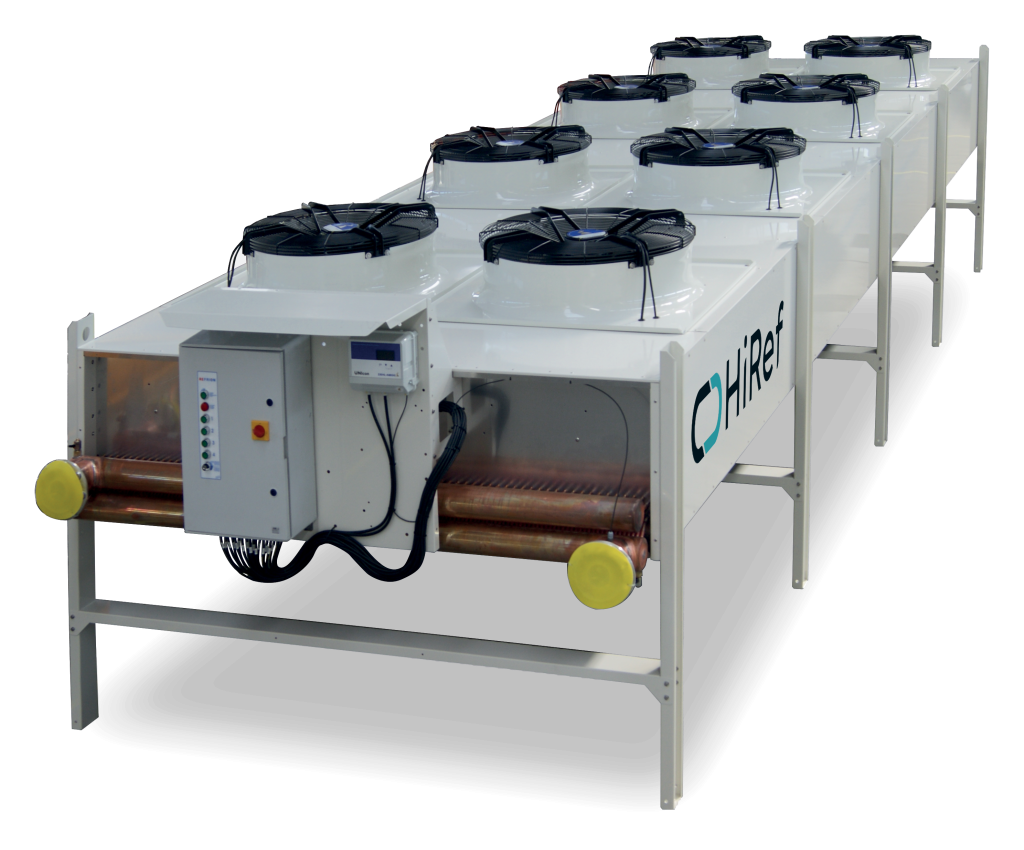
Our air cooled condensers sit outside the building and convert high pressure, hot refrigerant gas into a liquid, using fans to blow ambient air across the coil. The condenser acts a heat exchanger to reject heat absorbed from the indoor space to the outside environment. The heat rejection removes heat from the refrigerant allowing it to condense from a vapour to a liquid state.
Low environmental impact by special refrigerants such as CO2 (R744) which has a GWP equal to 1
Inverter driven compressors
Small footprint, high efficiencies
Free cooling
Dry Coolers
Dry Coolersare based on a simple but effective principle: convection cooling.
As outside air is conveyed and pushed by one or more fans, it passes through “finned coils” located inside the dry cooler, absorbing heat from the process fluid flowing through it. The air is then expelled into the environment, completing the cooling cycle.