
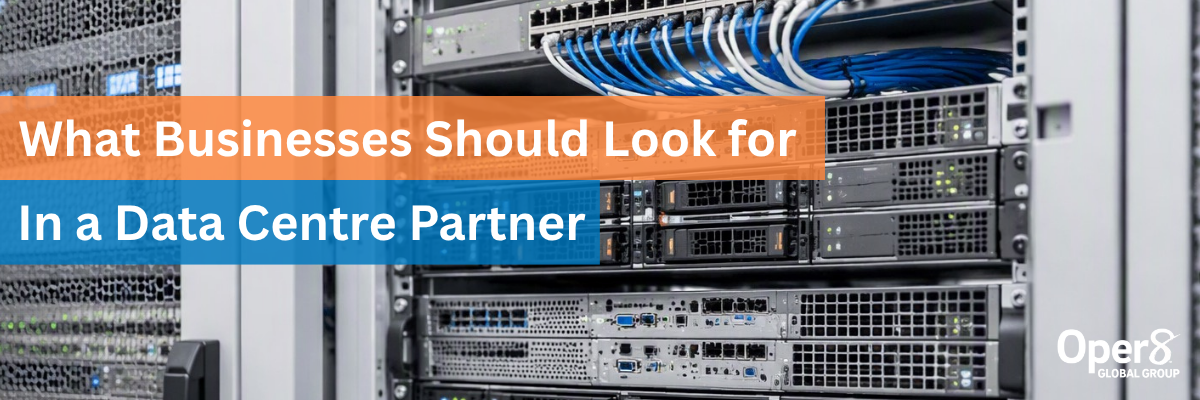
As organisations become increasingly reliant on digital infrastructure, choosing the right data centre partner has never been more important. Whether you’re building a new facility, expanding existing capacity, or modernising ageing infrastructure, the partner you choose can have a significant impact on reliability, performance, and long-term business success.
While technical specifications are important, a successful data centre project requires much more than equipment alone. From design expertise to ongoing support, here are some of the key factors businesses should consider when selecting a data centre partner.
Look for Proven Experience and Expertise
Data centres are complex environments, requiring careful consideration of power, cooling, security, and resilience. An experienced partner will understand how these elements work together and be able to design a solution that meets both current and future requirements.
Prioritise Resilience and Reliability
Downtime can be costly, disruptive, and damaging to customer trust. That’s why resilience should be at the heart of every data centre project.
A reliable data centre partner should consider every aspect of infrastructure resilience, including backup power systems, cooling redundancy, monitoring, and security. The goal is to minimise risk and ensure critical systems remain operational, even during unforeseen events.
Oper8’s Uptime Certified designers apply industry best practices throughout every stage of the design process, helping to create reliable environments that support long-term business continuity.
Choose a Partner That Understands Your Business
No two organisations are the same. A solution that works perfectly for one business may not be suitable for another.
Rather than offering a one-size-fits-all approach, the best data centre partners take the time to understand your operational requirements, growth plans, budget, and site constraints before recommending a solution. This helps ensure the final design aligns with your business objectives both now and in the future.
Whether that involves a modular deployment, a containerised facility, or a traditional build, the chosen design should reflect the organisation’s specific requirements. The most effective data centre environments are those developed around operational needs, future growth plans, and long-term business objectives.
Security Should Never Be an Afterthought
Physical and operational security are essential components of any modern data centre. Businesses should look for partners that understand the importance of protecting critical infrastructure and sensitive information.
This includes everything from access control systems and environmental monitoring to resilient facility design and risk management processes. Security should be considered from the very beginning of a project, rather than added later as an afterthought.
By incorporating security into every stage of planning and deployment, businesses can build greater confidence in the reliability and integrity of their infrastructure.
Look Beyond the Initial Deployment
A data centre is a long-term investment, and your needs are likely to evolve over time. The right partner should be able to support future growth, upgrades, maintenance, and changing operational requirements.
As technology evolves and capacity demands increase, organisations need confidence that their infrastructure can scale effectively. Planning for future growth from the outset can reduce costs, minimise disruption, and provide greater flexibility in the years ahead.
At Oper8, our relationship with clients extends beyond project delivery. Through ongoing support and technical expertise, we help organisations adapt to changing requirements and maximise the long-term value of their data centre investment.
Final Thoughts
Choosing a data centre partner is about more than selecting a supplier. It’s about working with a team that understands your goals, takes the time to understand your requirements, and can deliver infrastructure that supports your organisation both now and in the future.
The right partner will help you balance performance, reliability, security, and scalability while ensuring your data centre can adapt as your needs evolve. With a proven track record and a team of experienced specialists, Oper8 helps organisations create environments designed for long-term success.
Whether you’re planning a new development or upgrading existing infrastructure, Oper8 is ready to help. Contact us today to discuss your requirements.
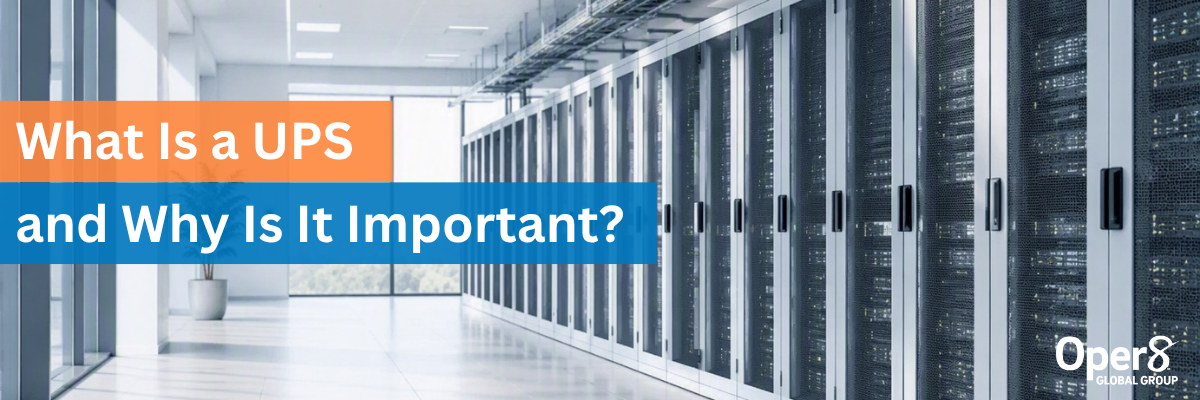
Power is fundamental to the operation of any data centre. Servers, storage systems, networking equipment, and cooling infrastructure all rely on a continuous supply of electricity to function effectively. Even a brief interruption can impact critical services, affecting both business operations and customer experience.
What Is a UPS?
A UPS is a backup power system designed to provide temporary backup power when the main electrical supply is interrupted.
Unlike a backup generator, which requires time to start, a UPS responds instantly using energy stored within its batteries. This ensures the connected equipment continues operating without interruption during the transition.
UPS systems are commonly used to protect servers, storage platforms, networking equipment, and other critical infrastructure where continuous function is required.
Available in a range of sizes and configurations, UPS solutions can support anything from a single rack to an entire data centre environment. The most suitable solution depends on factors such as power demands, resilience requirements, and the criticality of the equipment being protected.
How Does a UPS Work?
Under normal operating conditions, equipment receives power from the mains supply while the UPS continuously monitors the incoming electrical feed and maintains its battery charge.
If a power outage or electrical disturbance occurs, the UPS automatically switches to battery power almost instantaneously, ensuring connected systems remain operational.
This seamless transition bridges the gap between a mains failure and generator start-up, helping maintain business continuity and preventing downtime.
Protecting Equipment from Power Disturbances
The value of a UPS extends beyond providing backup power during outages.
Electrical issues such as voltage fluctuations, surges, spikes, and brownouts can place unnecessary strain on sensitive equipment. Left unmanaged, these disturbances may affect performance, shorten hardware lifespan, or increase the likelihood of system failures.
A UPS helps deliver clean, stable power to connected devices, reducing the impact of these issues and supporting the long-term reliability of critical infrastructure.
Working Alongside Backup Generators
UPS systems form part of a wider power resilience strategy within most data centres.
While a UPS can provide immediate power during an outage, its battery capacity is only designed to support systems for a limited period. For longer outages, backup generators are used to maintain operations.
When mains power fails, the UPS keeps equipment running while generators automatically start and assume the electrical load. This layered approach helps ensure critical services remain available even during extended power disruptions.
In larger facilities, UPS systems are often configured with redundancy in mind. This means that if one UPS unit requires maintenance or experiences a fault, another can continue supporting the load without affecting critical services.
Why UPS Systems Matter
Although they may not be the most visible component of a data centre, UPS systems play a crucial role in protecting critical infrastructure. By providing immediate backup power, mitigating the impact of electrical disturbances, and strengthening business continuity strategies, they help organisations reduce risk and maintain service availability.
As businesses become increasingly dependent on digital services, the need for reliable power protection continues to grow. A well-designed UPS solution not only helps prevent downtime but also protects valuable infrastructure and supports long-term operational stability.
At Oper8, our experienced engineers design and deliver resilient data centre environments that incorporate robust power protection solutions, helping organisations maintain reliable operations and reduce the risk of disruption.
As businesses grow, so do their technology requirements. What may have once been a reliable IT setup can quickly become stretched as workloads increase, new applications are introduced, and customer expectations continue to rise.
While many organisations focus on day-to-day operations, the warning signs that IT infrastructure is struggling can often go unnoticed until performance issues begin to impact productivity, service delivery, or business growth. Recognising these signs early can help organisations avoid costly disruptions and ensure their infrastructure continues to support long-term success.
Performance Is Becoming Unpredictable
One of the most common indicators that a data centre has outgrown its current environment is a noticeable decline in performance. Applications may take longer to load, systems can become sluggish during busy periods, and employees may experience delays when accessing critical business tools.
As demand increases, ageing or overloaded data centres may struggle to cope with the volume of data and processing requirements. If performance issues are becoming more frequent, it may be an indication that your existing environment is reaching its capacity limits.
Downtime Is Occurring More Frequently
Unexpected outages and service disruptions can be a significant warning sign. While occasional issues may be unavoidable, recurring downtime often indicates that infrastructure is operating beyond its intended capacity or that critical systems are approaching the end of their lifecycle.
Frequent downtime can impact productivity, customer satisfaction, and revenue, making it essential to identify and address the underlying cause before it leads to more serious problems.
Scalability Is Becoming a Challenge
Modern businesses need flexibility to adapt quickly to changing demands. If adding new users, deploying applications, or expanding services requires significant effort, your IT environment may no longer be fit for purpose.
A lack of scalability can slow growth and limit an organisation’s ability to respond to new opportunities. Data centres should be capable of supporting future expansion without requiring constant workarounds or major disruptions.
Maintenance and Support Costs Are Rising
Older data centres often require more frequent maintenance, repairs, and upgrades. As equipment ages, components can become harder to source, support contracts may become more expensive, and IT teams can find themselves spending increasing amounts of time managing issues.
Growing Security and Compliance Concerns
As cyber threats continue to evolve, organisations must ensure their infrastructure remains secure and compliant with industry regulations. Legacy systems may no longer receive regular updates or security patches, increasing the risk of vulnerabilities being exploited.
Planning for Future Growth
Outgrowing existing infrastructure is often a sign of business success, but failing to address it can limit future progress. Regularly reviewing performance, capacity, security, and scalability can help organisations identify when change is needed before issues begin affecting operations.
If any of these challenges sound familiar, it may be time to assess whether your current infrastructure is fit for the future. The right environment should support growth, adapt to changing requirements, and deliver the performance and reliability your organisation depends on.
In today’s always connected world, businesses depend on technology more than ever. From internal communications and customer service platforms to e-commerce websites and cloud applications, organisations rely on IT systems to keep operations running smoothly.
But what happens when those systems go offline?
Whether it’s a network outage, hardware failure, or power disruption, downtime can quickly bring business operations to a standstill. While many organisations focus on restoring services as quickly as possible, the true cost of downtime often extends far beyond the immediate inconvenience. Understanding the wider impact can help businesses recognise the importance of investing in resilient infrastructure and reliable data centre environments.
The Hidden Business Impact of Downtime
The most obvious effect of downtime is lost productivity. When employees are unable to access business-critical systems, work comes to a halt. Projects are delayed, customer requests go unanswered, and teams may find themselves unable to complete even routine tasks.
For many organisations, downtime can also result in direct financial losses. An online retailer may be unable to process customer orders, while a service provider could miss valuable business opportunities during an outage. Even short periods of disruption can have a noticeable impact on revenue, particularly for businesses that depend heavily on digital platforms.
However, the effects of downtime are not always measured in pounds and pence. Customer confidence can also suffer. Today’s customers expect services to be available whenever they need them. Repeated disruptions can damage trust, leading customers to question a business’s reliability and potentially explore alternative providers.
The longer an outage lasts, the greater the impact can become, affecting not only day-to-day operations but also long-term business reputation.
Why Do Outages Occur?
Downtime can occur for a variety of reasons, many of which are difficult to predict without the right safeguards in place.
- Power failures remain one of the most common causes of disruption. A momentary loss of power can affect servers, networking equipment, and other critical systems. Without suitable backup infrastructure, recovery can take far longer than expected.
- Hardware issues can also contribute to downtime. Servers, storage devices, and network equipment all have a finite lifespan, and failures can occur unexpectedly. As organisations grow and infrastructure becomes more complex, the risk of equipment-related issues can increase.
- Cybersecurity incidents continue to pose a significant threat as well. Ransomware attacks, data breaches, and other malicious activities can disrupt operations and force systems offline, sometimes for extended periods.
- Human error is another often-overlooked factor. Incorrect configurations, accidental deletions, or mistakes during maintenance can all lead to service disruptions. While technology continues to advance, people remain an important part of the equation.
Prevention Is Better Than Recovery
While no organisation can eliminate risk entirely, the impact of downtime can be significantly reduced through proactive planning and resilient infrastructure.
Modern data centres are designed with redundancy in mind. Backup power systems, including UPS units and generators, help ensure operations continue even when primary power sources fail. Advanced cooling technologies maintain optimal operating conditions and help protect critical equipment.
Monitoring systems provide real-time visibility into infrastructure performance, allowing potential issues to be identified and addressed before they escalate into major problems. Combined with proactive maintenance and robust security measures, these tools help minimise the likelihood of unexpected disruptions.
Disaster recovery planning also plays a vital role. Having clear recovery procedures and resilient infrastructure in place can dramatically reduce downtime and help businesses maintain continuity when unexpected events occur.
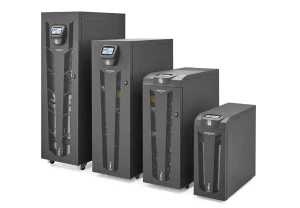
Riello UPS Sentryum
How Oper8 Can Help
Downtime can be costly, disruptive, and damaging to customer trust. That’s why choosing the right infrastructure partner is essential.
Backed by a team of Uptime Certified Designers, Oper8 delivers secure, scalable data centre infrastructure tailored to your business needs. Our solutions are designed and built to the latest industry standards, helping to ensure robust practices and mitigate risk across a wide range of use cases.
Whether you’re looking to improve resilience, strengthen business continuity, or future-proof your IT infrastructure, our team is here to help.
Contact Oper8 today to discover how we can support your business with reliable, high-performance data centre solutions.
Data centres have transformed dramatically over the years. What began as simple rooms filled with large computers has evolved into highly sophisticated facilities that power almost every aspect of modern life.
From cloud computing and online banking to streaming services and artificial intelligence (AI), today’s digital world depends on data centres more than ever before. Understanding how they have evolved helps highlight just how critical they have become to businesses and society.
Data Centres in the Early Days
In the early days of computing, data centres were primarily used by large organisations, government agencies, and research institutions. These facilities housed massive mainframe computers that required significant power, cooling and physical space. The equipment was expensive, and access to computing resources was limited to a relatively small number of users.
Data centres at this time were focused on functionality rather than efficiency. Systems often operated in isolation, making data sharing difficult and limiting scalability. Energy consumption was high, monitoring capabilities were limited, and business relied heavily on manual processes for maintenance and management. While effective for the time, these environments lacked the flexibility and efficiency expected today.
Despite their limitations, early data centres laid the foundations for the infrastructure we rely on today.
The Rise of Enterprise Data Centres
As technology became more accessible throughout the 1980s and 1990s, businesses began investing in their own data centre environments. The growing use of personal computers and networking technologies increased demand for reliable IT infrastructure.
Servers became smaller, more powerful, and easier to deploy. Networking capabilities improved, allowing systems to communicate more effectively and support growing business operations.
However, managing these facilities was often costly. Organisations typically purchased enough hardware to support future growth, resulting in unused capacity and higher operational expenses.
The Cloud Revolution
The introduction of cloud computing marked one of the most significant turning points in the evolution of data centres.
Rather than owning and maintaining physical infrastructure, businesses could access computing resources on demand through cloud providers. This offered greater flexibility, reduced upfront costs, and made it easier to scale services as requirements changed.
At the same time, hyperscale data centres emerged. These massive facilities were designed to support cloud platforms and global digital services, delivering unprecedented levels of performance, availability, and efficiency.
Cloud technology fundamentally changed how organisations viewed IT infrastructure, shifting the focus from ownership to accessibility and scalability.
Modern Data Centres
Today’s data centres are designed to deliver high levels of reliability, security, and efficiency.
Advanced monitoring systems provide real-time visibility into infrastructure performance, while automated management tools help reduce downtime and improve operational efficiency. Redundant power systems, backup generators, and robust physical security measures ensure critical services remain available even during unexpected disruptions.
Virtualisation has also transformed how infrastructure is used. Multiple workloads can now run on shared resources, increasing efficiency while reducing costs. Many organisations also combine on-premises infrastructure with public and private cloud services through hybrid and multi-cloud strategies.
As a result, modern data centres are far more agile and resilient than their predecessors.
Sustainability Takes Centre Stage
As demand for digital services continues to increase, sustainability has become a major focus across the industry.
Data centre operators are investing in more energy-efficient technologies to reduce power consumption and environmental impact. Innovations such as liquid cooling, intelligent energy management systems, and renewable energy adoption are helping facilities operate more sustainably while maintaining performance.
For businesses, sustainability is about more than environmental responsibility. Efficient infrastructure can lower operating costs, improve resource utilisation, and support wider ESG objectives. As a result, sustainability is now a key consideration in both data centre design and operation
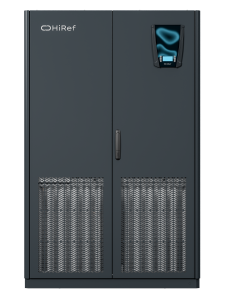
Image credit: hiref.com
Looking Ahead
The next phase of data centre evolution is already underway. Technologies such as AI, machine learning, and edge computing are creating new infrastructure demands and driving further innovation.
AI workloads require increased processing power and advanced cooling capabilities, while edge data centres are bringing computing resources closer to users to reduce latency and support real-time applications.
As these trends continue, data centres will need to balance performance, scalability, and sustainability. While the technology has evolved dramatically from the days of mainframe computers, their role remains the same: providing the reliable foundation that powers our increasingly digital world.
From the earliest computer rooms to today’s intelligent, highly efficient facilities, the evolution of data centres reflects the ongoing advancement of technology and their growing importance to modern business and society.
How Oper8 Can Help Guide This Journey
As data centres continue to evolve, choosing the right infrastructure partner is more important than ever. At Oper8, we help businesses navigate changing technology demands with secure and resilient data centre solutions. Whether you’re looking to support growth, support efficiency, or future proof your IT infrastructure, our experienced team can provide the expertise and facilities needed to support your digital journey.
Contact our team today to learn how Oper8 can help your business prepare for the future.
What Businesses Should Look for in a Data Centre Partner
As organisations become increasingly reliant on digital infrastructure, choosing the right data centre partner has never been more important. Whether
What Is a UPS and Why Is It Important?
Power is fundamental to the operation of any data centre. Servers, storage systems, networking equipment, and cooling infrastructure all rely
Signs Your IT Infrastructure Has Outgrown Its Current Environment
As businesses grow, so do their technology requirements. What may have once been a reliable IT setup can quickly become
The True Cost of Downtime: What Every Business Needs to Know
In today’s always connected world, businesses depend on technology more than ever. From internal communications and customer service platforms to
The Evolution of Data Centres: Then vs Now
Data centres have transformed dramatically over the years. What began as simple rooms filled with large computers has evolved into
What Is An Edge Data Centre?
Edge computing has experienced significant growth in recent years, offering organisations the ability to process data nearer their sources, minimising

Is Liquid Cooling the Future of Data Centres?
Liquid cooling is increasingly becoming one of the most important innovations in modern data centres, helping operators manage rising heat
Our Solutions: Find The Right Infrastructure For You and Your Business
At Oper8, we understand that every business is unique, which is why selecting a data centre solution tailored to your


What Businesses Should Look for in a Data Centre Partner
As organisations become increasingly reliant on digital infrastructure, choosing the
What Is a UPS and Why Is It Important?
Power is fundamental to the operation of any data centre.
Signs Your IT Infrastructure Has Outgrown Its Current Environment
As businesses grow, so do their technology requirements. What may