
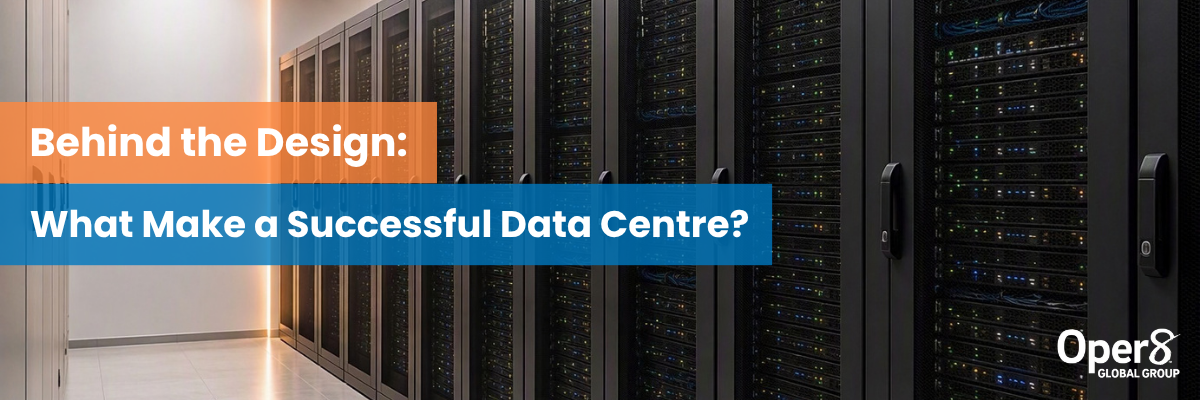
Behind every reliable digital service is a carefully designed data centre. From supporting day-to-day business operations to enabling future growth, a data centre must be built to deliver performance, resilience, security, and scalability.
Effective data centre design goes far beyond choosing a location and installing equipment. Every element, from power and cooling to physical security and future capacity, must work together to create an environment that keeps critical systems running effectively and reliably.
So, what exactly goes into designing a data centre?
Understanding Business Requirements
Every successful data centre project starts with understanding the organisation’s current and future needs.
Factors such as IT workloads, growth expectations, resilience requirements, available space, and budget all influence the final design. A solution that works for a small regional business may not be suitable for an organisation managing multiple locations or supporting mission-critical services.
By identifying operational objectives from the outset, organisations can create a facility that supports both immediate requirements and long-term business goals.
Building Resilient Power Infrastructure
Power is one of the most critical considerations in any data centre.
Even a brief power interruption can disrupt operations, affect productivity, and potentially result in costly downtime. To minimise these risks, data centres are designed with multiple layers of protection.
This often includes:
- Uninterruptible Power Supplies (UPS)
- Backup generators
- Power Distribution Units (PDUs)
- Redundant power paths
Together, these systems help ensure that critical infrastructure remains operational during power fluctuations, outages, or maintenance activities.
Designing Effective Cooling Systems
Modern IT equipment generates significant amounts of heat, making cooling another essential part of the design process.
Without adequate cooling, servers may overheat, reducing performance and increasing the risk of equipment failure. An effective cooling strategy helps maintain optimal operating temperatures while improving overall energy efficiency.
Considerations typically include:
- Cooling capacity requirements
- Airflow management
- Hot aisle and cold aisle containment
- Environmental monitoring
- Future cooling demands as infrastructure expands
A well-designed cooling system helps improve reliability while keeping operating costs under control.
Planning Rack Layout and Space Utilisation
The physical arrangement of equipment can have a major impact on performance and operational efficiency.
Rack layout influences airflow, cable management, maintenance access, and future scalability. Poorly positioned racks can create cooling challenges, restrict access for engineers, and make future expansion more difficult.
Effective space planning considers:
- Equipment positioning
- Access and maintenance requirements
- Power and network distribution
- Future growth capacity
- Health and safety considerations
By taking a structured approach to rack design, organisations can create a more manageable and efficient environment.
Implementing Physical Security Measures
While cyber security often receives significant attention, physical security is equally important.
Data centres house valuable equipment and sensitive information, making protection against unauthorised access a critical requirement.
Security measures may include:
- Perimeter fencing
- CCTV surveillance
- Access control systems
- Biometric authentication
- Secure server cabinets
- Visitor management procedures
Multiple layers of security help protect both infrastructure and business operations from physical threats.
Designing for Scalability
Technology requirements rarely stand still. A data centre designed purely for today’s needs can quickly become a limiting factor as the organisation grows.
Future scalability should be built into the design from the beginning. This may involve allocating space for additional racks, increasing available power capacity, or planning for future cooling expansion.
A scalable design enables organisations to adapt to changing requirements without the disruption and expense of major redesigns.
Monitoring and Management
Modern data centres rely on continuous monitoring to maintain performance and reliability.
Environmental sensors, power monitoring systems, and infrastructure management tools provide real-time visibility into the health of the facility. This allows potential issues to be identified and addressed before they impact operations.
By incorporating monitoring technologies into the design stage, organisations can improve efficiency, reduce risk, and support proactive maintenance strategies.
The Importance of a Holistic Approach
Designing a data centre involves much more than selecting equipment. Power, cooling, security, rack layout, monitoring, and scalability must all work together to create a reliable and efficient environment.
A successful design balances current operational requirements with future business growth, ensuring infrastructure remains resilient, secure, and fit for purpose for years to come.
How Oper8 Can Help
At Oper8, we design and deliver data centre solutions tailored to each organisation’s unique requirements. Whether you’re planning a new facility or upgrading existing infrastructure, Oper8 can help you build a data centre that supports your business today and into the future.