
Data centres are the foundation of modern digital operations, supporting everything from cloud computing and AI workloads to business-critical applications and data storage. While power infrastructure often receives significant attention, cooling is equally critical. As rack densities increase and technologies such as AI and high-performance computing (HPC) become more demanding, managing heat has become one of the most important considerations in modern data centre design.
Effective cooling helps maintain optimal operating conditions, supporting reliable and consistent performance. Without it, organisations can face increased energy consumption, reduced equipment lifespan, hardware failures, and unplanned downtime, all of which can impact business continuity and operational costs.
The Challenge of Heat Generation
Every piece of IT equipment generates heat as it operates. Servers, storage devices, networking equipment, and power systems all contribute to the thermal load within a data centre environment. As processing power increases and more equipment is deployed within a limited footprint, the amount of heat that must be removed continues to grow.
If heat is not managed effectively, equipment temperatures can exceed recommended operating thresholds. This can result in degraded performance, shortened asset lifespan, and an increased risk of component failure, making heat management a fundamental part of data centre operation.
Protecting Uptime
Downtime is one of the biggest risks facing any data centre. Even a brief interruption can result in operational disruption, financial losses, and reputational damage.
Cooling systems play a vital role in maintaining service availability by controlling temperature and humidity levels throughout the facility. By providing a stable environment for critical infrastructure, they help reduce the risk of overheating-related outages.
For organisations running mission-critical applications, cooling is not simply a supporting function. It is a key component of a resilient infrastructure strategy.
Improving Energy Efficiency
Cooling is often one of the largest energy consumers within a data centre. As energy costs continue to rise and sustainability becomes an increasingly important consideration, improving cooling efficiency has become a key priority for operators.
Solutions such as containment systems, free cooling, intelligent controls, and high-efficiency cooling units can significantly reduce the energy required to support data centre operations.
By optimising cooling performance, organisations can lower operating costs, improve Power Usage Effectiveness (PUE), and reduce their environmental impact.
Common Cooling Strategies
There is no one-size-fits-all approach to cooling. The most suitable strategy depends on factors such as facility size, workload density, energy efficiency goals, and future growth plans.
Air cooling remains the most common method used in data centres. Precision cooling units deliver conditioned air to equipment, while hot aisle and cold aisle containment help prevent warm and cool air from mixing. This improves efficiency and ensures cooling capacity is directed where it is needed most.
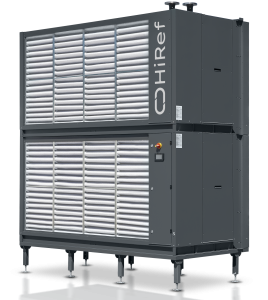
HiRef Fan Wall
- Free Cooling
Free cooling uses favourable external conditions, such as cooler outdoor temperatures, to reduce reliance on mechanical cooling systems. This approach can significantly lower energy consumption and operating costs while supporting sustainability objectives.
As AI and high-performance computing workloads become more widespread, traditional air-cooling methods can struggle to support increasing heat densities. Liquid cooling offers a highly efficient alternative by transferring heat away from equipment more effectively.
Its ability to support high-density environments makes it an increasingly attractive option for next-generation computing applications.
Planning for Future Growth
Cooling requirements should be considered from the earliest stages of a project. A solution that meets today’s needs may not be sufficient in the future as workloads evolve and infrastructure demands increase.
By designing with scalability in mind, organisations can accommodate future growth while minimising disruption and costly upgrades. Whether deploying a traditional facility, a modular data centre, or a high-performance computing environment, long-term planning helps ensure cooling infrastructure remains effective throughout the lifecycle of the facility.
Conclusion
Cooling has become a strategic consideration in modern data centre design. Beyond temperature control, it helps support service availability, improve energy efficiency, and prepare infrastructure for future demands.
As data centres continue to evolve, investing in the right cooling strategy will be essential for controlling operational costs, supporting sustainability goals, and maintaining dependable performance.