
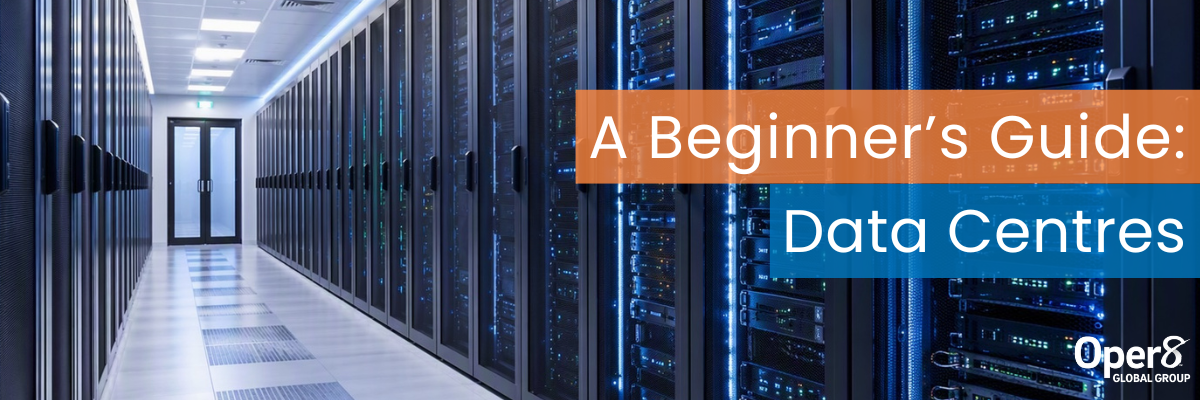
In a world driven by digital transformation, data centres are the critical infrastructure powering everything from cloud computing and AI to everyday business operations.
As organisations continue to generate and rely on vast amounts of data, understanding the role of data centres has never been more critical. Data centres are the foundation of digital infrastructure, supporting everything from cloud computing and artificial intelligence to secure data storage and business continuity.
In this beginner’s guide, we explain what data centres are, how they work and why they are essential for scalable, high-performance IT environments.
What Is a Data Centre?
A data centre is a physical facility designed to house critical IT infrastructure, including servers, storage systems and networking equipment. These facilities enable organisations to store, process and distribute data efficiently and securely.
Think of a data centre as the engine room of the internet, which works continuously behind the scenes to keep digital services running smoothly.
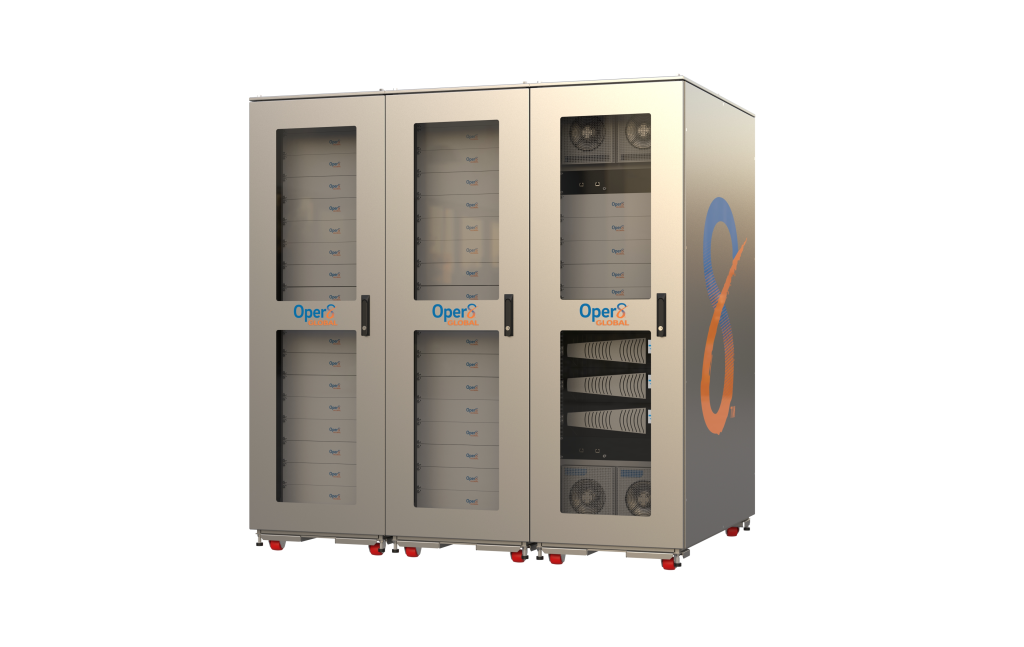
Our Oper8 Trackside Micro Data Centre Solution
What Does a Data Centre Do?
Data centres play a vital role in modern digital infrastructure by delivering three core functions: data storage, data processing and data distribution. They securely store large volumes of critical information, power applications and cloud-based platforms and ensure fast, reliable delivery of digital services to users worldwide.
For example, whenever you send an email, stream a video or access a cloud application, a data centre is working behind the scenes to process and deliver that data efficiently, securely and at scale.
What Are the Key Components of a Data Centre?
To operate at maximum efficiency, data centres require a series of critical components. Let’s uncover the different elements contained within our Oper8 solutions:
1. Servers – Servers are responsible for processing data and running applications. They handle everything from everyday business operations to AI and other complex workloads.
2. Networking Equipment – High-performance networking is essential for maintaining low latency, supporting cloud services and ensuring seamless data transfer across systems.
3. Power Infrastructure – Reliable power supply is critical to maintaining continuous operations. Data centres incorporate robust power infrastructure, including Uninterruptible Power Supplies (UPS), backup generators and Power Distribution units (PDUs) to ensure uptime is consistent.
4. Advanced Cooling Systems – Data centre equipment generates significant heat, making advanced cooling systems essential. Cooling systems such as CRAC/CRAH units, in-row cooling and liquid cooling are used to regulate temperature and prevent overheating. Effective cooling not only protects hardware but also improves energy efficiency and supports sustainability initiatives.
5. Physical and Cyber Security – Security in data centres spans both physical and digital environments. Together, these layers of protection ensure that sensitive information and infrastructure remain secure.
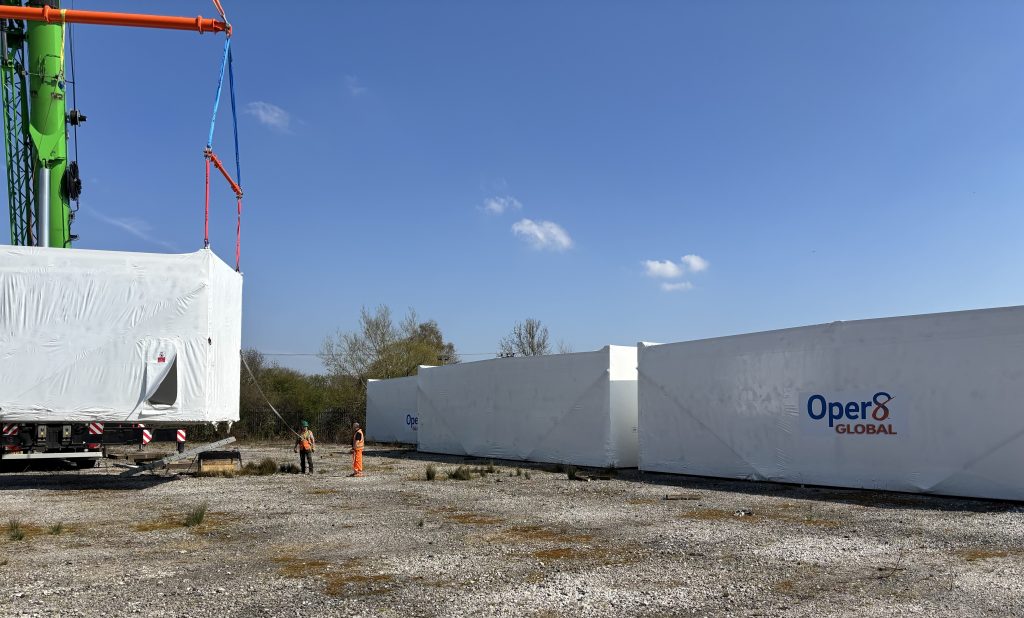
Our Oper8 Containerised solutions being delivered to a client site.
What Are the Current Data Centre Trends?
The data industry is continuously developing and expanding, driven by rapid advancements in digital technologies and increasing demand for high-performance computing (HPC). In recent years and into 2026, we have seen a significant shift in workload requirements, with GPU-driven applications and AI processing placing greater pressure on rack densities. In response, Oper8 is deploying a new generation of advanced cooling technologies designed to meet these emerging challenges. This includes direct-to-chip liquid cooling, in-rack cooling solutions and two-phase immersion systems.
AI is rapidly reshaping the data centre landscape, driving demand for significantly higher rack densities and more advanced infrastructure. As AI workloads continue to grow, modern data centres are being redefined to deliver greater performance than ever before.
Edge computing and micro data centres are also gaining significant traction. These solutions offer businesses the ability to deploy reliable, low-latency infrastructure closer to where data is generated. As a result, they are becoming the preferred choice for organisations seeking scalable and relocatable data centre solutions.
Start building smarter data centre solutions today.